
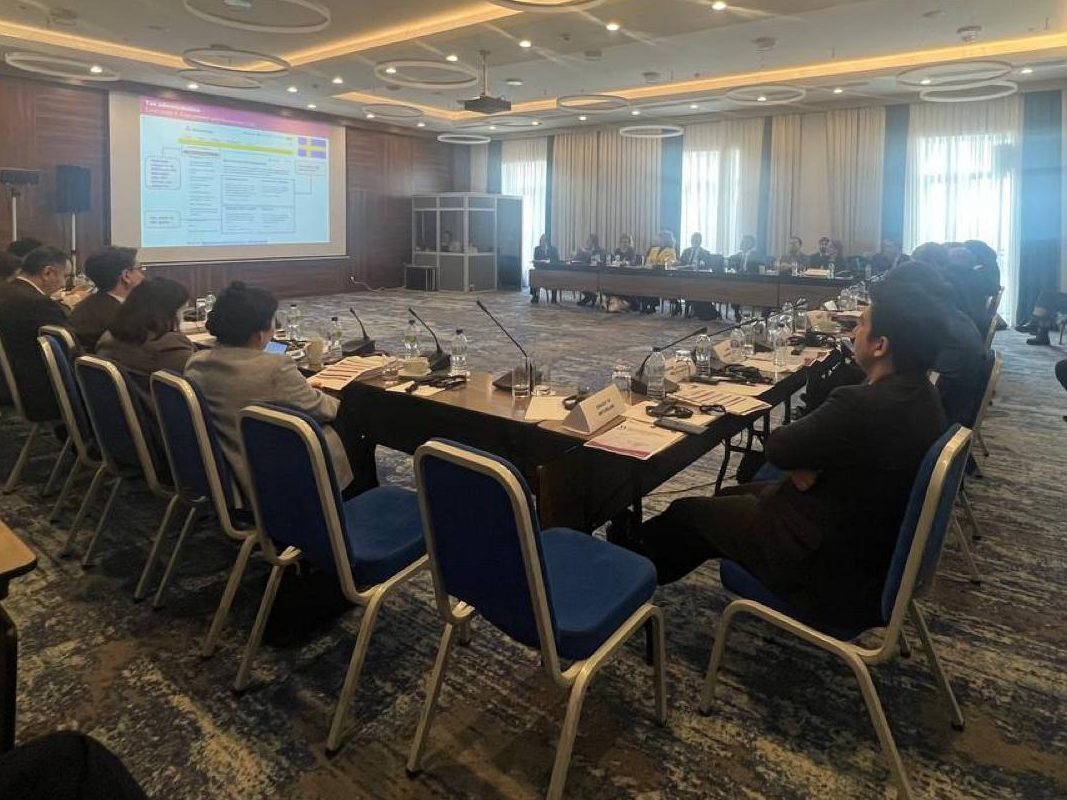
On 6 March 2024, the Organisation for Economic Cooperation and Development (OECD) organised a seminar to present the findings of a report on progress in improving the legal environment for business and investment in Uzbekistan and the wider Central Asia region since 2020, as well as two other reports on trade facilitation in Central Asia and the potential of the TransCaspian International Transport Route (the so-called “Middle Corridor”). The event was held in co-operation with the Government of the Republic of Uzbekistan and benefitted from financial support from the European Union (EU), the Republic of Lithuania and the Republic of Kazakhstan.
Links to download the presentations used during the seminar can be found below
Mr Wim Riepma, Head of Co-operation at the EU Delegation to Uzbekistan, opened the event and stressed the importance of disseminating the findings of the OECD reports. He expressed hope that the latter would provide food for thought for the government on issues of reform implementation. He recalled that some important structural reforms have not taken place yet in Uzbekistan, such as state-owned enterprise (SOE) privatisation and land property in agriculture. He highlighted the role of small entrepreneurs and SMEs in the European economy. On the connectivity topic, Mr Riepma mentioned the importance of soft measures and the opportunities for Uzbekistan to increase exports to the EU within the framework of the Generalised System of Preferences+ (GSP+). He stressed the importance of complying with quality standards and the development of a strong competitive advantage from the private sector.
Mr Rustamkhon Azizov, Deputy Director General at the Agency for Strategic Reforms under the President of the Republic of Uzbekistan (ASR) expressed gratitude to the EU and the OECD for their support and expertise. He mentioned the government’s political commitment to implement reforms and informed the audience of a new presidential resolution signed on 4 March 2024 on ten priority areas for reforms in 2024. He further shared the dates of the upcoming Tashkent International Investment Forum on 2-3 May, which will serve to promote Uzbekistan and the whole Central Asia region as an attractive place for investment.
Ms Céleste Laporte Talamon, Policy Analyst in the Central Asia unit of the OECD’s Eurasia Division, presented the findings of the monitoring report on the legal environment for business and investment in Central Asia and Uzbekistan. She noted significant strides in streamlining legislation and procedures for the private sector, but the pace of reforms has led to implementation challenges, and a lack of competition remains a major barrier to the development of a really vibrant business sector in Uzbekistan and Central Asia.
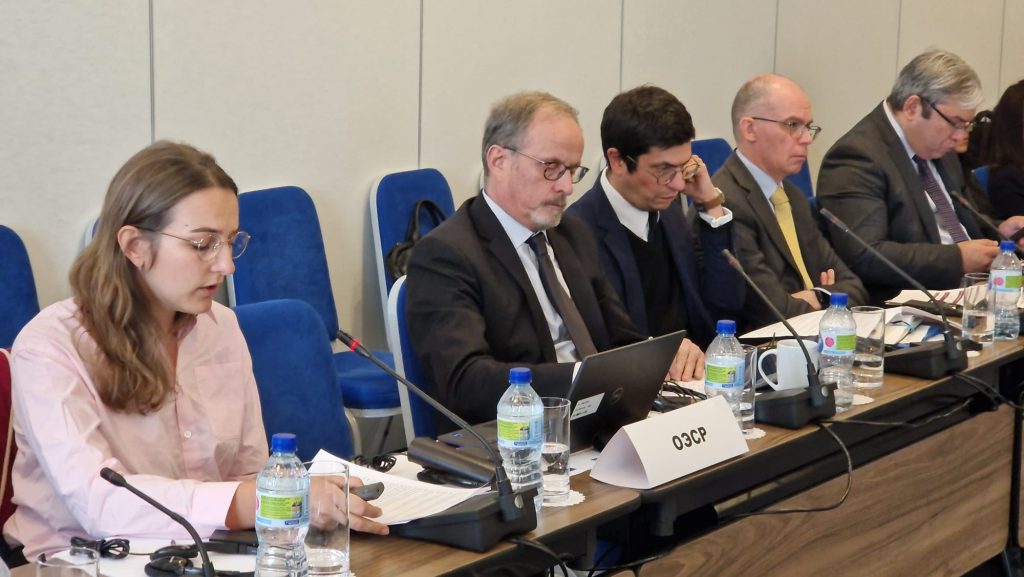
Mr Grégory Lecomte, Head of the Central Asia unit of the OECD’s Eurasia Division, shared the results of the reports on trade facilitation in Central Asia and the potential of the Trans-Caspian International Transport Route. The first report finds that the governments of the region have made significant progress in trade facilitation in the past five years. In particular, they have improved public-private sector consultations and have increased information availability. However, more can be done to make trade-related legislation available and enhance collaboration among border agencies, as well as further digitalising and automating trade procedures. Commenting on the findings of the second report on the potential of the Middle Corridor, Mr Lecomte said that creating traffic and demand on the route will largely depend on increased regional economic and trade integration. Beyond soft measures to facilitate trade, the infrastructure network along the route will need significant investments to develop multimodal capacity fleet and rail capacity. Last but not least, developing the corridor’s attractiveness will require improved co-ordination across the different levels of government at the national and regional levels.
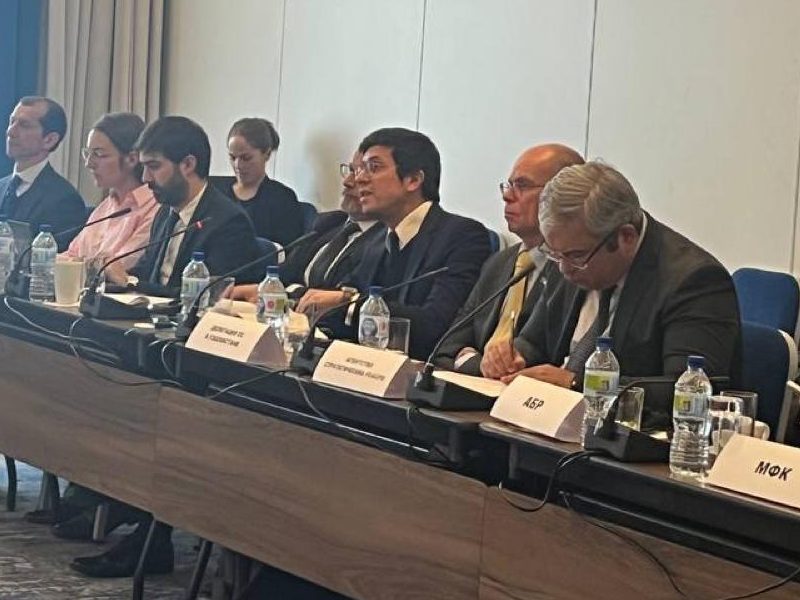
Mr Tengiz Asanov, Deputy Head of the Investment Climate Department at the Ministry of Investments, Industry and Trade, reacted on the findings of the OECD reports. He commented in particular on the finding related to the lack of transparency in the legal and regulatory framework, and hoped that the new draft laws on investment and special economic zones and the creation of a Tashkent International Financial Centre would serve to address these challenges. On the operational environment for firms, he recognised the need to improve dialogue with businesses and investors. He mentioned existing mechanisms to engage with the private sector such as the open dialogue of the President with entrepreneurs, as well as the creation of the Foreign Investors Council. Reacting to the OECD publications on trade facilitation and connectivity, he admitted that there is significant room to improve the potential of the Middle Corridor. In particular, he said that using this corridor requires significant coordination in terms of documentation harmonisation, digitalisation and soft infrastructure at the regional level. He expressed satisfaction at Uzbekistan’s significant progress in the OECD Trade Facilitation Indicators (TFIs) since 2019.
Mr Alisher Shaykhov, Senior Partner at NewLinks Global, highlighted the importance of involving more closely private-sector stakeholders in the reform process. Ms Asel Uzagalieva, Programme Coordinator at GIZ, suggested relying on the new regional network of trade facilitation committees, which also involves private sector representatives, to address challenges in cross-border trade in Central Asia. Lastly, Mr Rustamkhon Azizov, Deputy Director General at the ASR, recalled upcoming important initiatives in SOE reforms in the transport sector and the finalisation of the work on the creation of the Tashkent International Financial Centre.
Presentation on the Legal Environment for Business and Investment in Central Asia
English version // Russian version
Presentation on Trade and Connectivity